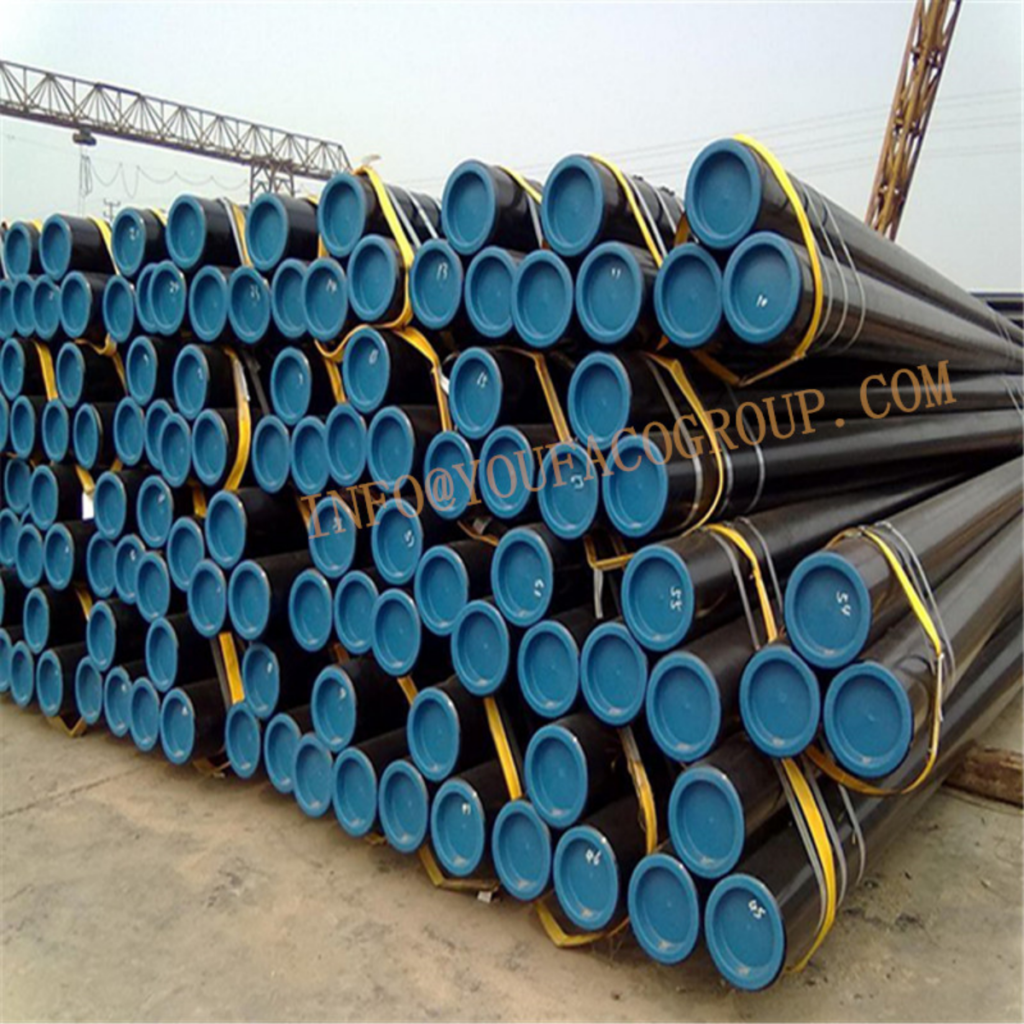
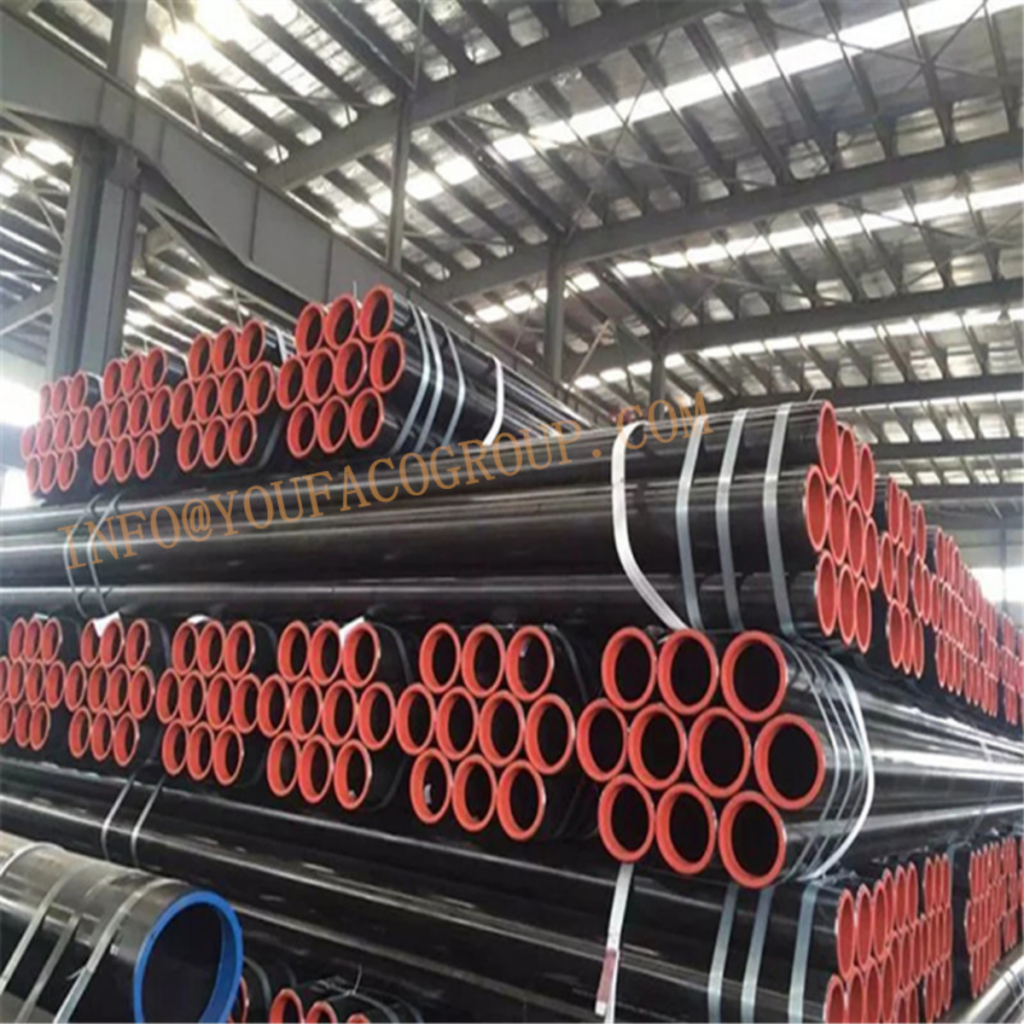
Introduction: Steel pipes are a fundamental part of modern infrastructure and industrial applications. Known for their durability and strength, they play a crucial role in sectors ranging from construction to oil and gas, and everything in between. In this blog, we will dive into the world of steel pipes, discussing their types, benefits, and diverse uses that make them an essential material across industries.
1. What Are Steel Pipes?
Steel pipes are cylindrical tubes made from steel, commonly used to transport fluids, gases, or even structural support in buildings and machinery. The process of manufacturing steel pipes involves forming the steel into the desired shape and welding or seamlessly connecting the edges. They can vary in thickness, length, and finish depending on the intended use.
2. Types of Steel Pipes
There are several types of steel pipes, each tailored for specific applications:
-
Seamless Steel Pipes: These pipes are manufactured without a weld, making them more durable and resistant to pressure. They are commonly used in industries like oil and gas, automotive, and construction.
-
Welded Steel Pipes: As the name suggests, these pipes are formed by welding two pieces of steel together. They are generally more cost-effective than seamless pipes and are suitable for low-pressure applications.
-
Galvanized Steel Pipes: These pipes are coated with a layer of zinc to prevent corrosion, making them ideal for outdoor applications, plumbing, and agricultural systems.
-
Stainless Steel Pipes: Known for their high resistance to corrosion and staining, these pipes are often used in chemical processing, food production, and medical applications.
3. Why Steel Pipes Are Essential
Steel pipes offer numerous advantages, which explain their widespread use:
-
Durability: Steel is a strong material that can withstand harsh conditions, extreme temperatures, and heavy pressures. This makes steel pipes incredibly reliable in industries that require long-lasting materials.
-
Corrosion Resistance: Depending on the type of steel, these pipes can resist corrosion, ensuring longevity in environments exposed to moisture, chemicals, or high humidity.
-
Versatility: Steel pipes can be used for various applications, from structural support in buildings to transporting liquids and gases in the energy sector.
-
Eco-friendly: Steel is 100% recyclable, making steel pipes a sustainable option. They can be repurposed without losing quality or strength, reducing the need for raw materials.
4. Applications of Steel Pipes
Steel pipes have a vast array of applications:
-
Construction: Steel pipes are used as structural supports in buildings, bridges, and highways.
-
Water and Sewage Systems: These pipes are essential in the distribution of water and the removal of waste in urban areas.
-
Oil and Gas Industry: Steel pipes are used to transport oil, natural gas, and other fluids over long distances, often through pipelines buried underground or under the ocean.
-
Automotive and Machinery: Steel pipes are used to manufacture exhaust systems, hydraulic systems, and other vehicle components.
5. The Future of Steel Pipes
As industries evolve and technological advancements continue, steel pipes will play a critical role in new applications, especially in renewable energy sectors like geothermal and solar energy. Innovations in manufacturing processes also promise to make steel pipes lighter, stronger, and more resistant to environmental wear.
Conclusion:
Steel pipes are an indispensable part of modern infrastructure, offering unmatched strength, durability, and versatility. Whether you are involved in construction, energy, or manufacturing, understanding the different types and benefits of steel pipes is key to choosing the right material for your projects. Their ability to withstand harsh conditions and their eco-friendly nature make them a top choice for industries worldwide.
Call to Action:
Are you looking for high-quality steel pipes for your project? Explore our range of durable, corrosion-resistant steel pipes, tailored to meet the needs of your specific industry. Contact us today for more information and a custom quote!